
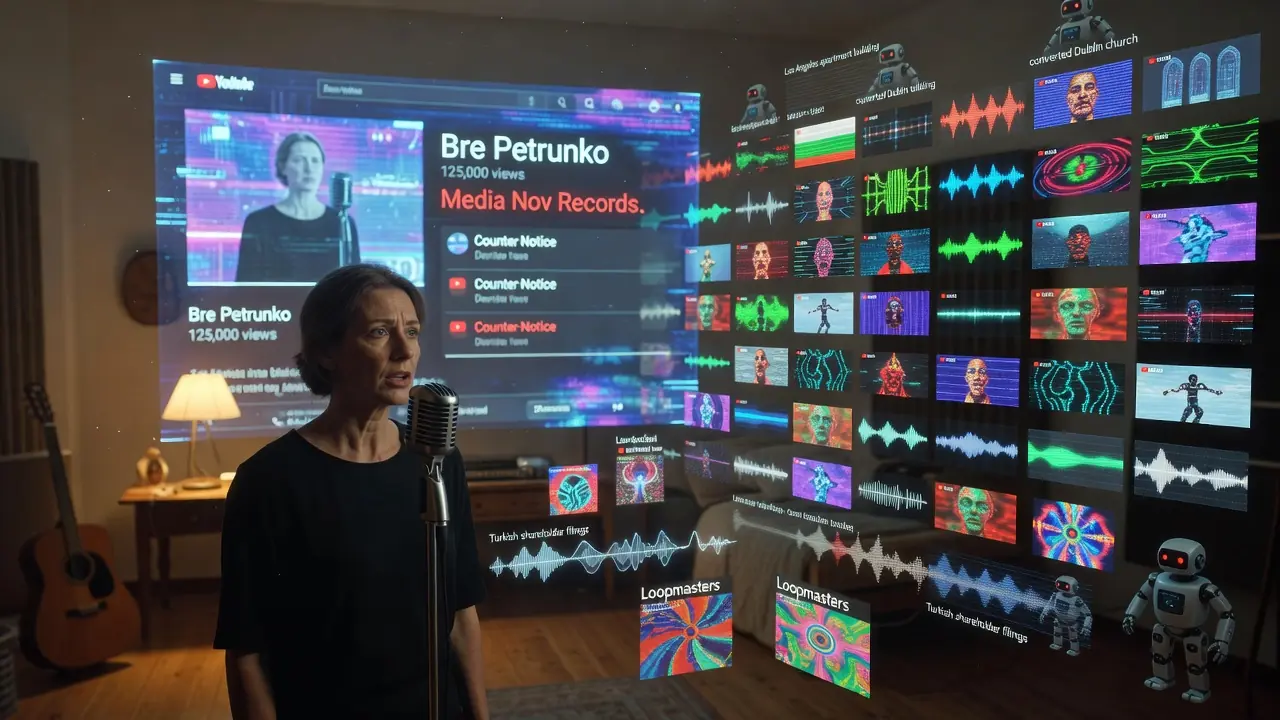
Singer and writer Samantha Shokin found her cover of the Bulgarian folk song "Bre Petrunko" removed from YouTube after a copyright claim by Media Nov Records, a company that appears to run about 500 channels of largely AI-generated content. The takedown was reversed only after a journalist contacted the company, leaving Shokin with a clear example of how automated enforcement can fall on individual creators.
How a free recording ended up in sample packs
Shokin recorded a short version of the song during the pandemic and uploaded it to SoundCloud, where it attracted little attention. She later posted it to YouTube, where it gathered around 125,000 views over four years. Unknown to her, the recording had been sold as part of a sample pack from Loopmasters, a distributor, and DJs and electronic producers had sampled it into dozens of tracks.
Loopmasters apologized and granted her royalties on the pack, which Shokin said she accepted. The dispute resurfaced when she found her original upload had been taken down after Media Nov Records filed a copyright claim against it.
Automated claims and the limits of counterclaims
YouTube's systems tend to approve copyright claims automatically, and creators can respond with a counterclaim. Shokin filed two, and YouTube denied both, telling her to contact the copyright holder. Because the song is in the public domain, there was no clear rights holder to contact, and the company claiming ownership did not respond to her emails or calls.
A company with an unclear footprint
Media Nov Records describes itself as a distribution company focused on rights management, and it says it has operated since 1996. Archive.org's Wayback Machine shows little web presence before last year, and the addresses listed on its site include a Los Angeles apartment building and a converted church in Dublin. Corporate filings reviewed by 404 Media show the company was formed a little more than a year ago, with shareholders listing addresses in Turkey.
404 Media found four YouTube pages managed by the company, containing hundreds of videos of looping electronic beats, AI-generated imagery and short clips, with many songs cross-posted between channels. The company told 404 Media it operates 500 such channels.
Retraction, but no resolution
After 404 Media requested comment, Media Nov Records withdrew its claim, saying the video had generated little revenue or views. It also said the withdrawal did not waive any rights it might hold and that it intended to pursue legal proceedings over the underlying dispute. YouTube reinstated the video about a day later once the claim was withdrawn.
Copyright lawyer Alfred Steiner told 404 Media that filing takedowns for rights a claimant does not hold can create legal liability, though small creators often lack the resources to pursue it. Shokin said the reversal felt like vindication but also revealed how much depended on press attention. "The whole system is broken," she said.